
Your Parent Pressed the Call Button. No One Came.
This is the first in a series on what is really happening inside America's nursing homes — who suffers, who works, and who profits.

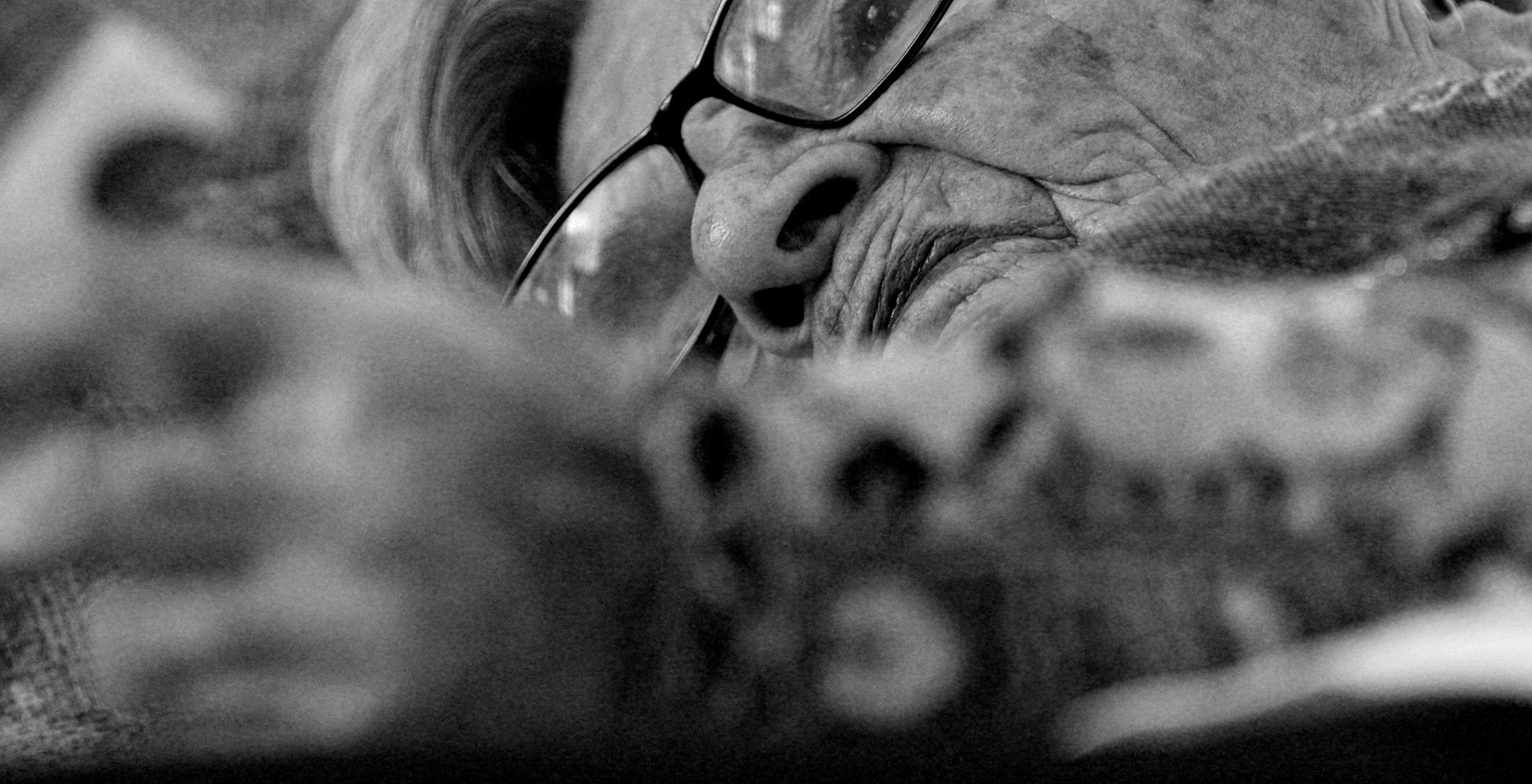
There is a moment that happens in nursing homes across this country, every night, in the small hours when the hallways are quiet and the staff is thin.
An elder reaches for the call button. Maybe she needs to use the bathroom. Maybe his back is on fire from lying in the same position for three hours. Maybe she simply wants to know someone is there.
The light goes on above the door.
And no one comes.
Not in five minutes. Not in fifteen. Sometimes not for forty-five minutes or an hour — long enough for a person to soil themselves in humiliation, long enough for a pressure injury to begin forming in tissue that has been compressed too long without relief, long enough for a human being to learn, again, that they do not matter enough to be answered.
This is not an isolated incident. It is not the fault of one lazy aide or one bad facility. It is the predictable, measurable, documented outcome of a system designed — not accidentally, but architecturally — to prioritize return on investment over human dignity.
I want to tell you how that system works. But first, I want you to sit with that call button for a moment.
The Arithmetic of Abandonment
A Certified Nursing Assistant in a typical for-profit nursing home is responsible for eight to fifteen residents during a day shift. On a night shift, that number can climb higher. She is expected to answer call lights, assist with toileting, reposition bedbound residents every two hours to prevent pressure wounds, help with meals, document care, and respond to any number of unpredictable needs — falls, confusion, pain, fear.
The math is not complicated. If she has twelve residents and each one needs fifteen minutes of hands-on care per shift, that is three hours of care. She has eight hours. On paper, it sounds manageable.
But residents don’t schedule their needs. They don’t take turns. Three of them need help to the bathroom at the same moment. One of them is calling out in confusion. One has a wound that needs to be turned and repositioned. And the aide is, tonight, covering part of another unit because a colleague called in sick and no replacement was sent.
The call button light stays on.
This is not negligence in the ordinary sense. It is arithmetic. It is what happens when the staffing ratio is set not by what residents need, but by what ownership is willing to spend.
The Person on the Other Side of That Equation
Before I tell you about the ownership — and I will, because the ownership is the story — I want you to know something about the person who didn’t answer that call button.
She is likely a woman of color. She is likely earning between $15 and $18 an hour, which in most American cities is not a living wage. She may be working a double shift because the facility is chronically understaffed and the culture of obligation — who will take care of them if not you? — keeps her saying yes when she should be sleeping.
She went into this work because she cares. Studies consistently show that CNAs and home health aides choose this work out of genuine vocation — a desire to be present with people in the most vulnerable seasons of their lives. They are doing sacred work. They are being paid poverty wages to do it.
She did not design the staffing ratio that made it impossible to answer every call. She did not set her own wage. She did not choose to work in a facility owned by a Delaware LLC whose ultimate parent is a private equity fund that has never set foot in the building.
She is, in a very real sense, as trapped as the resident waiting in the dark.
I will return to her story throughout this series, because you cannot understand what is happening to elders in American nursing homes without understanding what is simultaneously happening to the people who care for them. Their liberation is inseparable.
What This Series Is
Yesterday I sat with Tony Chicotel, a staff attorney at the California Advocates for Nursing Home Reform (CANHR), one of the most important elder justice organizations in the country. We talked about what families can do when they find problems — bedsores, ignored call lights, failure to toilet residents with dignity and timeliness. We talked about the obstacles to prosecution: how the data necessary to prove pattern and practice is scattered across fifty state systems, often unavailable, frequently incomplete.
We talked about what it would take to change that.
Over the coming weeks, I am going to take you inside this system — not with abstractions, but with specifics. We are going to follow the money. We are going to name the owners. We are going to look at what the public data shows and, more importantly, at what it is designed to hide.
We are going to talk about what families can do right now, in the immediate term, when they find their parent in a wet bed with a pressure wound and no one answering the call.
And we are going to talk about what a just nursing home could look like — not as fantasy, but as policy, as finance, as organizing, as covenant.
Because this is not a natural disaster. It is a constructed one. And constructed things can be reconstructed.
If This Is Your Story
If you have a parent or loved one in a nursing home right now, and you are recognizing what I am describing — please know this: you are not imagining it, and it is not your fault for not doing more.
The system is designed to make accountability difficult. The violations are designed to look like isolated incidents rather than systemic patterns. The burden of proof has been placed on the most exhausted, most grieving, most overwhelmed people — families who are already managing an impossible situation.
You have more power than you know. Future posts in this series will walk you through exactly what you can do, who you can call, and how to document what you are seeing in a way that builds real accountability.
For now: you are not alone.
And the call button should have been answered.
This is part of the Nursing Home Nation series on Everyday Elders. Free to all subscribers. Share it with anyone who has a parent, a neighbor, a friend — which is to say, share it with everyone.
Next: The caregiver on the other side of that call light — and why her poverty wages are not an accident.
A note on sources: The staffing ratios and care standards described in this piece reflect documented national averages from CMS data and peer-reviewed research on nursing home staffing. The ownership and financial structures referenced here will be detailed with full citations in upcoming posts. If you have a story to share — as a family member, a resident, or a caregiver — I want to hear it. Reply to this email or write to me directly.